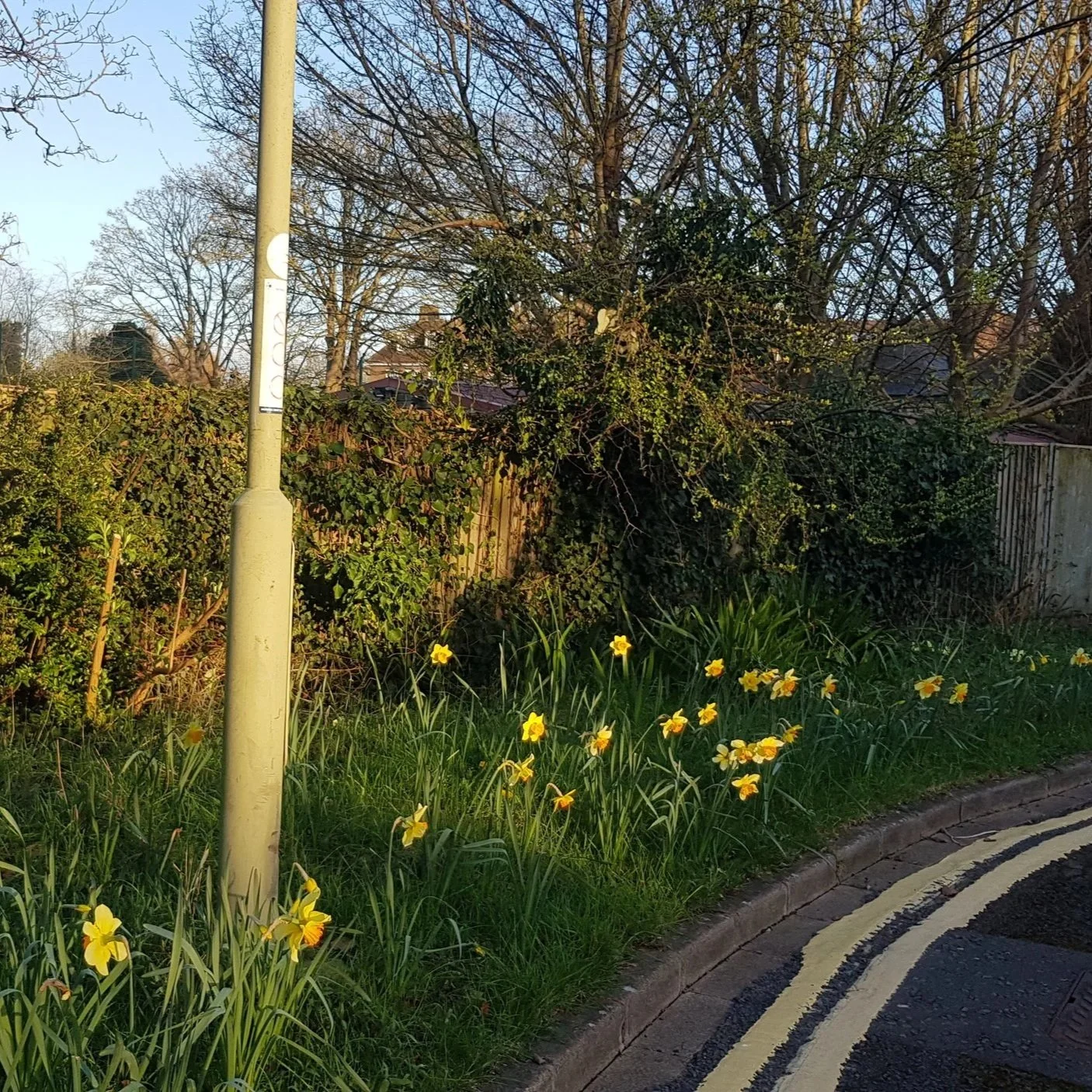
In line with Plantlife’s Road Verge Guide 2021 , since 2022 the two grass verge areas at the end of Benson Place in Central North Oxford are now designated Community Road Verge Nature Reserves. This means that instead of being cut and the road and the road edges sprayed with pesticide by the local council, they are managed by the community.
In order to gain agreement from the council I had to put together a detailed proposal that included the following:
Why?
The benefits - biodiversity, climate change, wellbeing and community
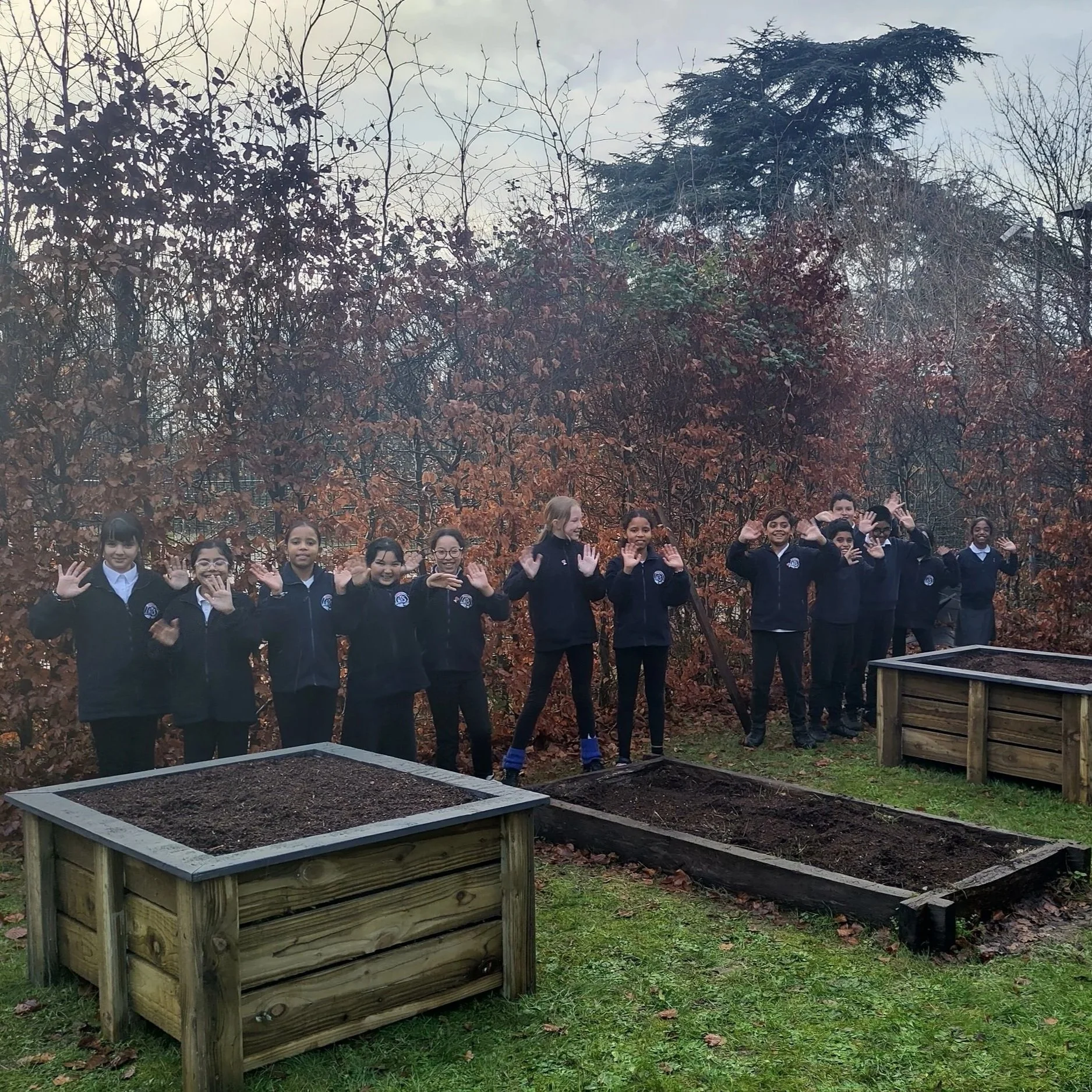
This is a practical and accessible way to involve our neighbours, especially the children, in caring for our local environment.
Who
Benson Place is a group of 13 houses at the end of Norham Rd, there was some discussion about the details of the proposal and ultimately all agreed – this was essential.
How
In order to maximise species diversity in a way that requires minimal effort, we proposed following the guidance at page 12, section A of the Guide, which is for enclosed grassy verges.
We planned to:
Cut the verges once between July and September, after the seeds have dropped then once more before Christmas. This mimics the pattern of traditional meadow management so maximises the opportunities for wildflowers to set.
Leave a narrow area at the back next to the fence uncut for 2-3 years to provide essential habitat for invertebrates.
Remove grass cuttings and either compost them or place them in residents brown bins.
Introduce wild flowers: establishing mixes of perennial native flowers, which don’t require sowing each year, will require minimal annual management and bring greater benefits to a wider range of wildlife. Whilst at first the areas may appear a little unkempt this should improve each year with more native flowers getting established. The easiest way of doing this is just to cut less.
Problematic plants
Invasive plants like Himalayan Balsam or Giant Hogweed have not been seen here and would be removed if they were spotted. Brambles will be layered along the fences, as will ivy.
Signage
Flower-rich verges are increasingly popular with local communities and are a great way of encouraging wildlife into the heart of the built-up environment. Putting up signs will make it clear that our wilder verges are intentional and are part of a management plan.
Is it Successful?
Yes!
The areas are largely still grass, we planted native bluebells but they haven’t been successful. We also tried sowing yellow rattle seed in late summer (after the first cut and a scarification); yellow rattle is a semi-parasitic annual plant – once it establishes, it draws water and nutrients from grasses growing around it and can reduce grass growth by up to 60%. It opens up the grass sward, creating room for other flowers to grow. Theoretically this can reduce the amount of grass growth each year so naturally reducing the need to remove clippings. Unfortunately the yellow rattle did not get established.
A neighbour planted daffodils which look lovely.
A neighbour recently asked the maintenance team from the school next door to clear the ivy off the fence by the car parking area but enthusiasm took over and now little remains.
We tried a low level fence but it got knocked over and bits taken away – luckily no-one has driven on it so we have concluded it doesn’t need replacing. The children made signs that have disappeared so now need replacing.